
Okay, let’s be real. Storing the RV and the bike for the winter is a downright depressing chore. It’s the official end of summer, and it usually involves a lot of grumbling and procrastination. I get it. I’ve been that person who just shoved it in the back corner of the yard and threw a cheap tarp over it, thinking, “I’ll deal with it in the spring.”
Spoiler alert: I deeply regretted it.
Come April, I was dealing with a dead-as-a-doornail battery, a gas tank that smelled like varnish, and—I swear I’m not making this up—a mouse nest in my air filter made from the insulation of my seat cushions. The repair bill was… significant.
So, let’s do it right this time. Let’s talk about how to tuck your toys in for a long nap so they actually wake up when you call their name. This isn’t some robotic checklist; this is hard-earned wisdom from messing it up myself.
Putting the RV to Bed: It’s a Whole House on Wheels
This thing is a beast. You can’t just park it.
First up, the cleanup
I know, it’s the worst. But you just got back from that last trip, and there’s probably a layer of dirt on the outside and a fridge full of… well, leftovers. Do not, I repeat, DO NOT leave anything edible in there. Clean that fridge out, wipe it down with a little baking soda, and for the love of all that is good, PROP THE DOOR OPEN. A musty fridge smell will haunt you forever. Give the whole interior a good vacuum. Those crumbs are a welcome mat for every mouse in the neighborhood.
Now, let’s talk gas
Here’s the thing: a mostly empty tank collects condensation. That water sinks to the bottom and starts rusting your tank from the inside out. So, top it off. Then, grab a bottle of fuel stabilizer (STA-BIL is the classic, but any good one works), pour it in, and then go for a quick drive around the block. You need to get that treated gas all the way through the engine and fuel lines. This keeps the gas from turning into a nasty gel that clogs everything up.
The battery
This is an easy one to forget. If you leave it connected, it will drain. It just will. Your options are:
- Disconnect the negative terminal. Simple. Effective.
- My preferred method: pull the darn thing out, take it home, and put it on a battery tender in your garage. It’s a little extra work, but it guarantees a full charge come spring. No jump-starting drama.
Pest control
This is personal for me. Mice are evil geniuses. They will find a way in. Your job is to make it as hard and unappealing as possible.
- Steel wool is your best friend. Stuff it into any small holes, gaps, or around pipes where they might sneak in. They can’t chew through it.
- I put dryer sheets everywhere. In the glove box, in the cabinets, under the seats. They hate the smell. Peppermint oil on cotton balls works even better.
- DO NOT USE POISON BAIT INSIDE THE RV. You do not want a dead mouse decomposing somewhere you can’t find it. Trust me on this.
Tucking in the Motorcycle: Your Two-Wheeled Best Friend
The bike is simpler, but no less important.
Your last ride
Make it a good one. Get the engine fully hot. This burns off any moisture that’s built up inside the engine. On your way back, stop and fill the tank completely. Add the fuel stabilizer right there at the pump, then ride the last mile or two home to get it circulated. This is especially critical for carbureted bikes.
Oil change time
This one’s debated, but I’m a believer. Old oil has acids and contaminants. Letting that sit in your engine all winter just can’t be good. Fresh, clean oil is like a protective blanket for your engine’s insides. It’s cheap insurance.
The bike battery is even wimpier than the RV’s
It will die if you look at it wrong. Just take it out. Bring it inside. Keep it on a tender. It’s the single most important thing you can do for an easy spring start.
Get the tires off the ground
If you have a rear stand, use it. It takes the pressure off and prevents flat spots. If you don’t, no sweat. Just make sure they are inflated to the proper pressure. And lube that chain! A clean, lubed chain won’t turn into a rusty mess over the winter.
Cover it
But not with a blue tarp from the hardware store. Those trap moisture and sweat, which leads to rust. A soft, breathable motorcycle cover is worth every penny.
So, Where Does It All Go?
Here’s the kicker. You can do all of this perfect prep work, but if you leave your RV in the driveway, it’s baking in the sun and fading your upholstery. If you leave your bike in a damp shed, you’re fighting rust.
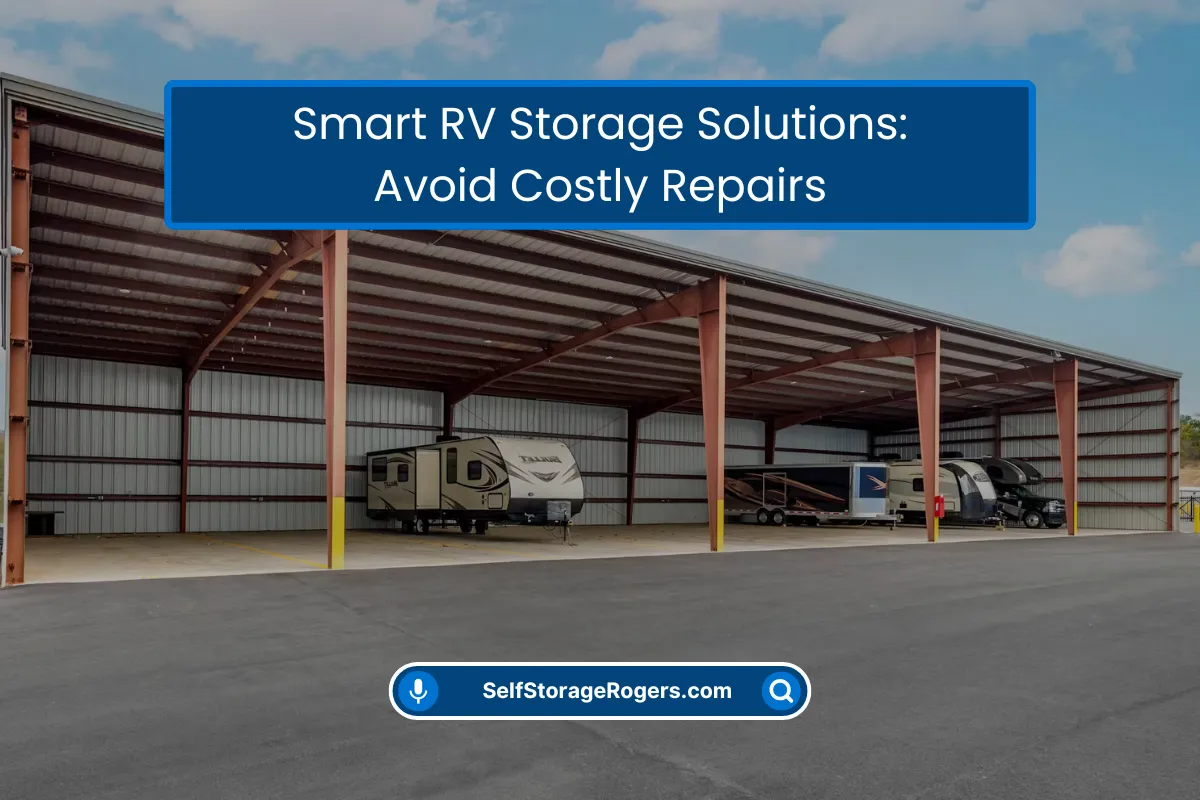
This is the part where I tell you what worked for me. After my mouse-apocalypse year, I finally broke down and got a proper storage unit for the RV. And you know what? It was a total game-changer.
A place like ours at B&D Self Storage isn’t just a parking spot. It’s peace of mind. We’ve got options: covered spots that protect your RV’s roof and paint from the elements, and secure, indoor units that are perfect for keeping your motorcycle dry, safe, and ready to roll.
You put in the work to prep your gear. Doesn’t it deserve a proper home while it sleeps? Do it right this year. Your future self, sipping coffee on that first problem-free spring morning ride, will thank you.






0 Comments