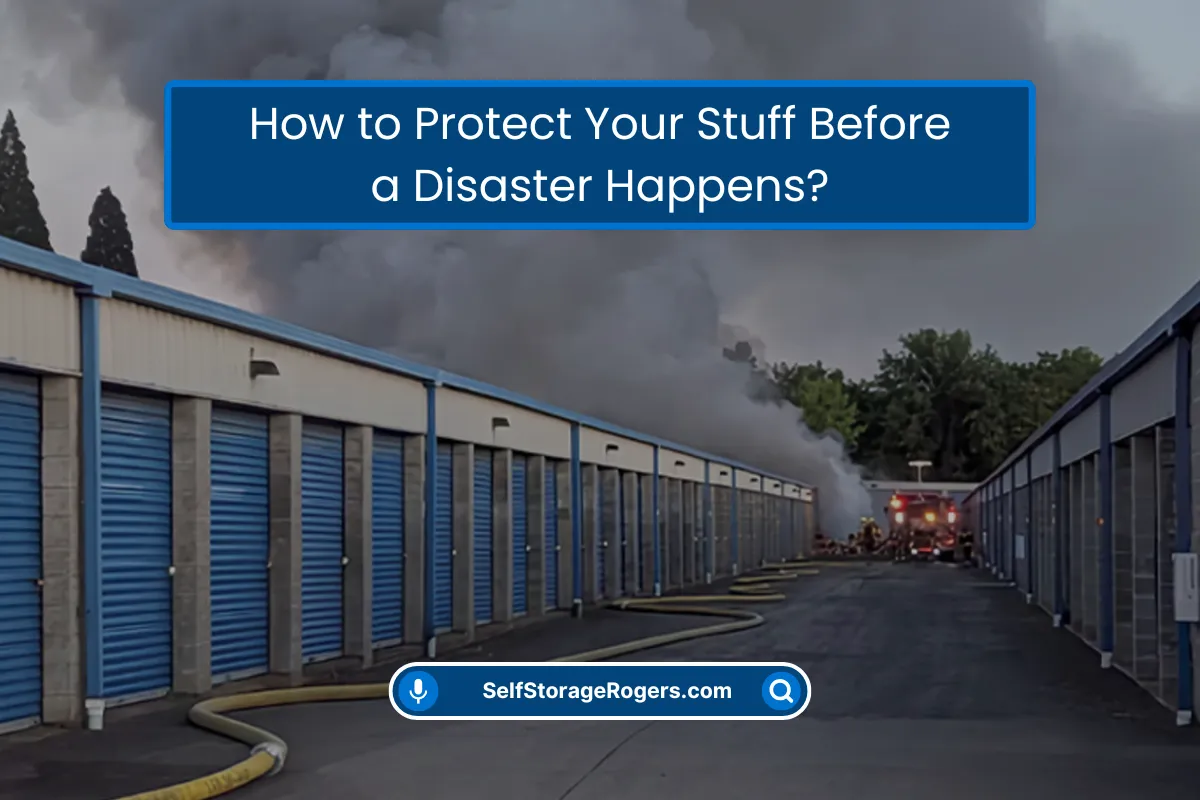
Look, can we be honest for a second? Disaster prep blogs usually suck. They’re all checklists and fear-mongering, written by someone who’s probably never had to stuff a photo album into a trash bag while the floodwaters are literally rising.
I have. Well, not the floodwaters, but the panic? Yeah. A few years back, a wildfire got a little too close for comfort. I stood in my garage, looking at a lifetime of junk—my dad’s old tools, my daughter’s baby clothes, a box of letters I hadn’t opened since college—and I just froze. My heart was pounding. I had no idea where to start.
I don’t want you to ever feel that.
So let’s scrap the official “disaster preparedness” manual. This is just a chat between you and me, about how to give your stuff a fighting chance. Because when they’re telling you to evacuate, you need to be grabbing your kids and your dog, not arguing with a bookcase.
Step 1: The “Oh Crap” Box (Do This Next Weekend)
Forget the long-term stuff for a minute. First, you need a single, grabable box for the things you’d lose your mind over if they were gone. I call it the “Oh Crap” Box.
Get a plastic file box with a lid—the kind you can carry with one hand. In it, put:
- Your passport, social security cards, birth certificates, marriage license. The boring adult stuff.
- A hard drive or USB stick with all your photos and important documents scanned on it. (Yes, do this. Tonight.)
- The one or two tiny, irreplaceable things. For me, it’s my great-grandmother’s wedding ring and my kid’s first ultrasound picture. Not valuable to anyone but me.
Put this box somewhere stupidly obvious. By the front door. In the coat closet. Not buried in a closet. This box is your number one priority. If you only save one thing, save this.
Step 2: The “Memory Triage” (The Hard Part)
This is the part they don’t tell you about. It’s emotional. You have to walk around your house and play a brutal game of “If I Could Only Save Ten Things…”
Touch things. Hold them. That vase from Mexico? Do you love it, or do you just feel guilty because Aunt Linda gave it to you? Be ruthless. Your backseat space during an evacuation is not for guilt-vases.
Make three piles in your head:
- The “Oh Crap” Box Items: (You already did this, champ!)
- The “I Would Seriously Cry” Items: The big stuff. The quilt your mom made. The family photo albums (the physical ones). Your vinyl collection. You can’t fit these in your car with the kids and the dog, but losing them would leave a real hole.
- The “Okay, I’d Be Annoyed” Items: The sofa, the big TV, the winter clothes. Stuff that’s replaceable with an insurance check.
Your mission is to focus all your prep energy on Group 2. These are your targets.
Step 3: Outsmart Water, Your #1 Enemy
Water is a sneaky jerk. It gets in everywhere. Your job is to make it as hard as possible.
- Plastic Totes are Your New Religion. Cardboard boxes are basically sponges with ambition. They fall apart, they suck up moisture, and bugs love them. Spend the $10 at the hardware store and get the solid plastic kind with the click-on lids.
- Get Everything Off the Floor. Your basement or garage floor is a lake waiting to happen. Use pallets, cinder blocks, or cheap metal shelves. Just get those plastic totes up, even if it’s just six inches. It makes all the difference.
- Bag it, Then Box it. For the super precious stuff inside those totes? Give it a second layer. Slip photo albums into giant Ziploc bags. Wrap heirloom linens in trash bags before folding them into the tote. It’s overkill until you need it.
The Garage and Basement Problem
Here’s the truth no one likes to say: most garages and basements are terrible, terrible places to keep anything you care about. They’re damp, they have wild temperature swings, and they’re the first to flood.
I learned this the hard way. My “finished” basement got a little seepage during a bad storm. It wasn’t even a disaster. Just a damp corner. But it was enough to warp the legs of an old wooden chest and make a box of my old yearbooks smell like a locker room. That sick feeling in my stomach wasn’t about the money. It was about the loss.
That’s when I realized being prepared isn’t just about what you do in your house. Sometimes, it’s about recognizing where your house falls short.
The Bottom Line
For me, the solution was getting that “I Would Seriously Cry” pile out of my risky basement. I needed a place that was consistently dry, secure, and not attached to my leaky foundation. That’s why I ended up using a climate-controlled storage unit over at B&D Self Storage. I’m not just saying that. It was a game-changer for my peace of mind.
I moved the family archives, my wife’s wedding dress, and all those “Group 2” items in there. Now, when the weather channel gets scary, I know that chapter of our family story is safe. It’s sitting in a clean, dry, 68-degree room, far away from any potential basement puddles or garage humidity. It let me stop worrying about things and focus on what actually matters: my people.
Prepping isn’t about building a bunker. It’s about making smart choices now so you can be present later. Start with the “Oh Crap” Box. Do the memory triage. Fight the water. And if your house just doesn’t have a safe spot for your treasures, know that there’s no shame in finding one. Your memories are worth it.





0 Comments