Hey there. So you’re trying to figure out this whole climate-controlled storage thing, huh? I get it. The price difference makes you pause. Is it just a fancy marketing trick to get a few extra bucks out of you?
Let me tell you, from the bottom of my heart, it is not. I’ve been in this business for over a decade, and I’ve seen the good, the bad, and the ugly. I’ve had customers open a standard unit after a humid summer, and the smell of mildew hits you like a wall. I’ve also seen the relief on someone’s face when they open their climate-controlled unit after a year and their grandmother’s antique dresser looks perfect.
So let’s have a real talk. No jargon, no sales pitch. Just straight talk about your stuff.
Climate Control Is Just Insurance for Your Belongings
That’s really what it is. You’re paying a bit more each month to guarantee that your things are safe from the two biggest silent destroyers in storage: extreme temperature swings and, more importantly, humidity.
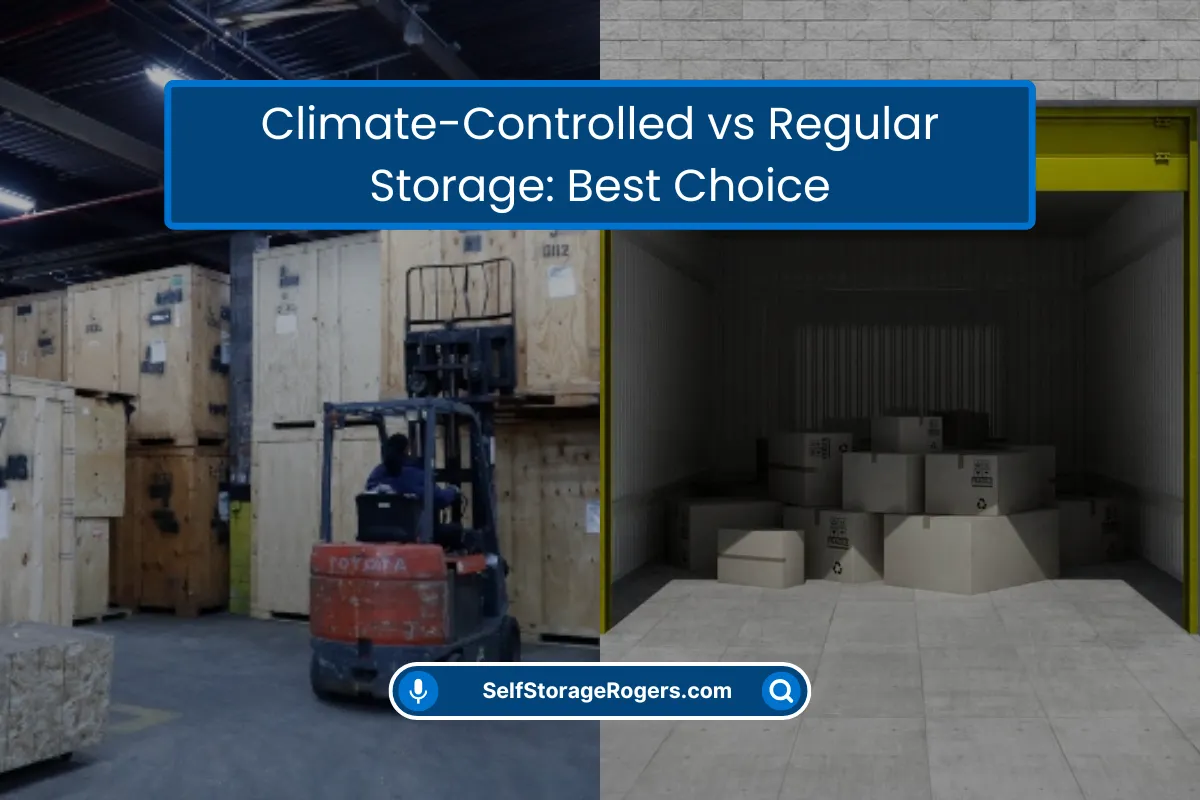
A standard drive-up unit? It’s a tough, reliable shed. It keeps the rain and snow off. But it breathes. On a hot, sticky August day, it’s hot and sticky inside. On a freezing January night, it’s cold. That’s fine for a lot of things! But for your prized possessions? Not so much.
Here’s the stuff that absolutely NEEDS that “insurance”:
- Wood: I cannot stress this enough. That beautiful, solid wood dining table? That heirloom bookshelf? Wood expands and contracts. Do that enough times and things warp. Crack. Joints get loose. And humidity makes mold grow. I once saw a gorgeous oak desk ruined because of it. It’s a gut punch.
- Anything with a circuit board: Old laptops, your big TV, stereo equipment, even your vinyl record collection. Heat fries electronics. Humidity corrodes the tiny parts inside them. You might plug it in a year later and get nothing but a sad little noise.
- Your memories: Photo albums, important documents, wedding dresses, children’s artwork, that painting you love. Paper and fabric are like sponges for moisture. They yellow, they get brittle, they stick together, and they grow mildew. You can’t replace those memories.
- Fancy clothes and fabrics: Your leather jacket, your wedding dress, a delicate wool rug. Mildew doesn’t care how much you paid for that item. It will leave permanent stains and a smell that just won’t quit.
- Musical instruments: A guitar is made of wood and glue. A cold unit can make it crack. A humid one can make it warp. If you love the way it sounds, protect it.
Now, when is a standard unit your best friend?
When you’re storing tough stuff. The kind of things that already live in your garage or shed and are doing just fine.
- Lawnmower and gardening tools.
- Patio furniture (the metal and plastic kind).
- Christmas decorations in those solid plastic totes.
- Car parts and tires.
- Your collection of camping gear is built for the outdoors anyway.
See the pattern? Durable, non-porous, and replaceable.
The Real Question to Ask Yourself:
It boils down to three things:
- What’s my local weather really like? Is our summer a humid nightmare? Does our winter get bitterly cold? The more extreme your climate, the more you need that controlled environment.
- What’s the true value? Not the price tag, but the “oh no” factor. If you’d be devastated if it were ruined, spring for the climate control. It’s cheaper than replacing it or the heartache.
- How long is it going in? A month? You can probably risk it. A year or more? That’s a long time for heat and humidity to do their dirty work. Go for the safe bet.
I’ve personally walked hundreds of people through this decision. My advice? When in doubt, just ask us. Describe what you’re storing, and we’ll give you our honest, human opinion. No pressure, just the straight story. Because your stuff matters, and so does your peace of mind.








0 Comments