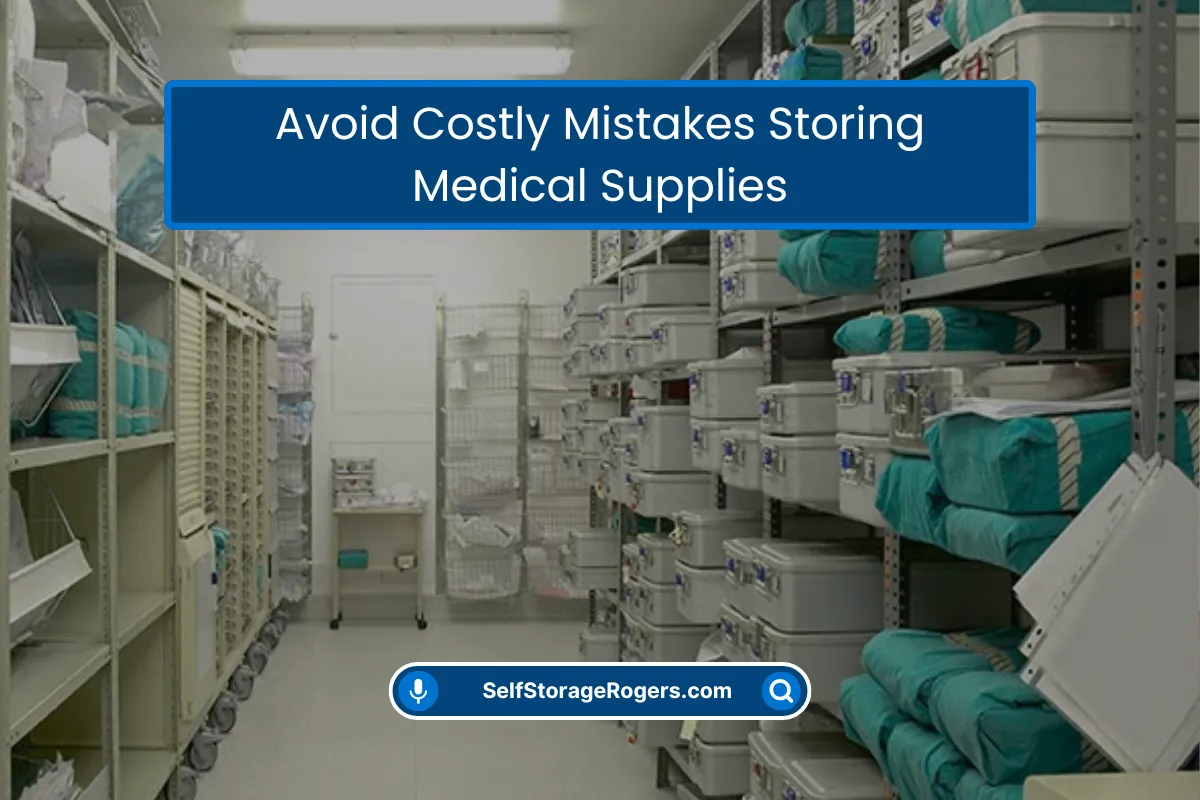
Hey there. So, you’re in charge of medical supplies. Maybe you run a small physio clinic out of a converted house. Maybe you’re caring for an aging parent at home and their medical equipment is slowly taking over the garage. However you got here, you know the drill: the boxes arrive, you heave them into “the room” (you know the one), and you promise yourself you’ll organize it later.
Then, six months down the line, you reach for that box of premium sterile dressings you bought on a deal. You tear it open and… the packaging feels damp. Or maybe you go to use that digital thermometer, and the screen is blank. Dead batteries, of course, which have now leaked and corroded the contacts.
You just threw away maybe eighty bucks. And it stings.
I’m not here to lecture you from a textbook. I want to tell you about the three real, messy, expensive mistakes I see people make all the time. Mistakes that have nothing to do with medical training and everything to do with the chaos of real life.
The “Hot Garage” Catastrophe
This is the number one wallet-killer. We all do it. The garage, the attic, the storage shed out back. It’s empty space, so it becomes the default dumping ground. That case of saline solution? Toss it next to the lawnmower. Those extra incontinence pads? On top of the holiday decorations.
Here’s why it’s a disaster: Most medical stuff is designed for room temperature, stable conditions. Your garage in summer is an oven. Your shed in winter is a freezer, and when it thaws, it’s a humidity box.
- Heat melts: Literally. I’ve seen expensive ointment tubes burst their seams. Adhesive on tapes and dressings turns gooey and useless.
- Cold cracks: Plastic becomes brittle. IV bags can freeze and separate.
- Humidity rots: It’s insidious. It creeps in and ruins everything. Gauze loses its sterility. Paper packaging grows mold. Metal components on equipment start to speckle with rust.
The Fix: Be ruthless. If it’s medical, it lives inside the main house or clinic. A dedicated closet, a cupboard, under a bed in sealed bins—anywhere with stable, climate-controlled air. If you wouldn’t store your good chocolate there, don’t store your medical supplies there.
The Expiration Date Blind Spot
You glance at the date when you buy it. “2025,” you think. “Plenty of time.” You chuck it in the back of the cupboard. Two years later, you have a minor crisis, grab it, and only then see the tiny print: “EXP 06/2024.”
Game over. That’s a total loss.
We treat expiration dates on food seriously, but for some reason, we mentally extend the deadline on medical supplies. It’s a dangerous optimism. Medications lose potency. The sterility of sealed items can’t be guaranteed. Using expired stuff isn’t just risky; for a clinic, it’s a liability nightmare.
The Fix: The “First In, First Out” rule. It’s boring. It’s also golden. When you buy new, move the old to the front. Make it a physical habit. Every three months, do a “purge and check.” Set a calendar alert. It’s ten minutes of your time that saves hundreds of dollars.
The “Junk Drawer” Approach to Important Things
This one is about safety, which ultimately costs you more than money. It’s the loose pills in a kitchen drawer next to the scissors and rubber bands. It’s the used diabetic needles (sharps) tossed into an old coffee can without a lid. It’s the liquid morphine from hospice care sitting on a bedside table.
The cost here is a different currency: unimaginable stress. A child or a pet gets into it. A confused loved one takes a double dose. A sanitation worker gets stuck by a stray needle. The financial fallout from these situations is astronomical, but the human cost is what keeps you up at night.
The Fix: Lock it up. A simple, cheap lockbox for all medications. A proper, hard-plastic sharps container that you get from the pharmacy (and return when full). Treat these items with the gravity they deserve. It’s not about mistrust; it’s about creating a fail-safe.
Now, here’s the real-talk part. Sometimes, following this advice feels impossible. Your “spare closet” is already full. Your clinic’s back office is a 10×10 room that also has to be the staff lunch area and the records archive. You are physically out of good space.
I get it. This is the exact crack that so many small practices and dedicated families fall into. You want to do it right, but your building itself is working against you.
The Bottom line
This is the problem we built our service to solve. At B&D Self Storage, we don’t just rent space. We rent peace of mind. Our climate-controlled units are like adding a perfect, sterile, temperature-regulated back room to your operation. You can store your bulk paper goods, your archive boxes of patient files, your seasonal equipment, or your backup supply of durable medical gear. It stays clean, dry, and at a perfect, steady temperature year-round.
Think of it less as an extra cost and more as insuring your medical inventory against ruin. It turns a constant, low-grade stressor into a simple, predictable solution. You get your spare room back, and you know your supplies are safe, which means when you need them, they’ll actually work.
Storing medical stuff properly isn’t about being a perfectionist. It’s about being a realist. It’s acknowledging that heat, humidity, time, and chaos will ruin your things if you let them. A few simple habits, and maybe a bit of outside help when you need it, can stop you from literally throwing your money in the trash. And that’s a pretty good feeling.








0 Comments